
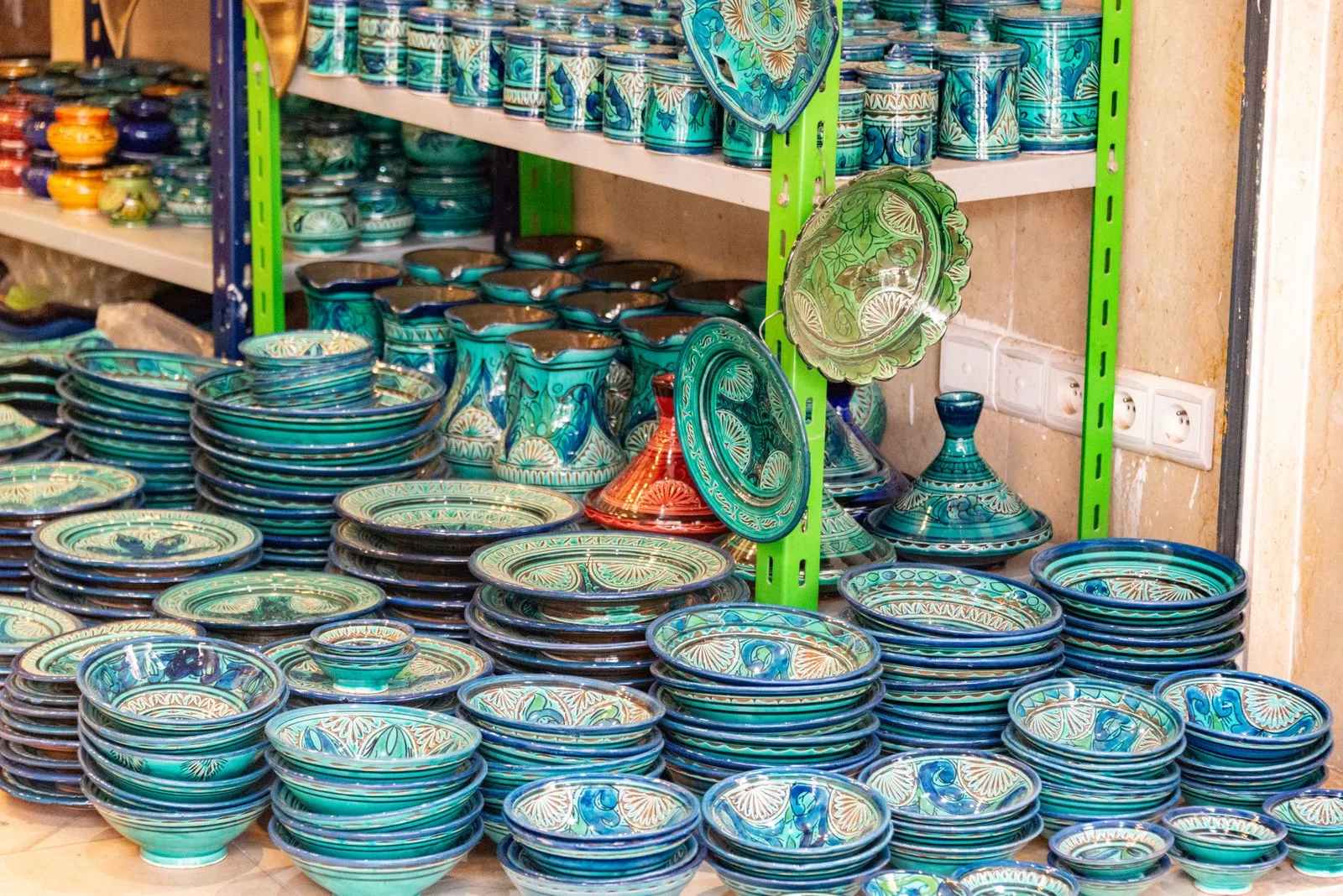
Handmade dinnerware can bring character to daily meals, but it also needs to work with your routines. A plate should hold the food you serve, a mug should feel comfortable in your hand, and each piece should suit the way you wash and store dishes. Before choosing a set, consider its shape, surface finish, and care instructions. These practical details help you find pottery you will enjoy using regularly, not just displaying.
Choose Shapes for Your Meals
Start with the foods you serve most often. Broad, gently rimmed plates help contain sauces, while shallow bowls work well for pasta, grain dishes, and salads. Deeper bowls are useful for soup or cereal. If cupboard space is limited, ask whether pieces stack securely and check how much room their rims and handles take up.
Think about how a piece feels as well as how it looks. Pick up a mug, if possible, and notice its weight, handle opening, and balance when full. A comfortable cup should let you grip it without squeezing. For dinnerware, consider whether the size feels manageable when carrying a plate from the kitchen or clearing the table.
Compare Finishes and Glazes
A glazed surface is generally easier to wipe clean than an unglazed one, but finishes vary. Ask the potter which areas are glazed and whether the piece is intended for frequent food use. A matte or textured surface may show marks differently from a smooth glaze, and a foot ring may remain unglazed so the piece sits steadily.
Handmade pottery often has small variations in color, shape, or glaze. These differences are part of the making process, but they can affect how closely pieces match. If you want a coordinated set, ask how much variation to expect and whether additional pieces can be made in a similar style. Check for a smooth, finished eating surface without rough edges.
Check Everyday Durability
Ask how the pottery was made and what the maker recommends for regular use. Confirm that pieces are intended for food contact, and check whether they are suitable for a dishwasher, microwave, and oven. These instructions depend on the clay, glaze, and construction, so do not assume that all handmade pottery can be used in the same way.
Look over each piece for hairline cracks, sharp edges, or areas that feel unstable on a flat surface. Handmade items may have natural variations, but they should still be comfortable and practical to handle. If you plan to use a piece for hot food or drinks, ask about temperature changes and whether the maker advises against moving it directly from cold to hot.
Follow Care Guidance
Use the potter’s care instructions as your guide. If a piece is not dishwasher-safe, wash it by hand with mild dish soap and a soft sponge. Avoid abrasive scrubbers that may mark the glaze. Dry pottery before stacking it, and place a protective layer between pieces if their surfaces could rub against each other.
Handle sudden temperature changes with care. Unless the maker confirms otherwise, avoid placing a cold dish into a hot oven or pouring boiling liquid into a cold vessel. For chips or cracks, stop using the item for food and ask the maker whether it can be repaired safely. Clear guidance before purchase helps you care for each piece with confidence.
Choose shapes that suit your meals, finishes that fit your preferences, and care requirements you can follow comfortably. Ask the potter about food use, appliance safety, and expected variation before buying. A little preparation can help handmade dinnerware become a dependable part of everyday meals. For tailored guidance, contact Mersey Tableware about its pottery.